A plumbing problem can disrupt a household before anyone knows what caused it. A slow drain might affect one fixture, while a damp wall could point to a hidden leak. The conversation before work begins offers a chance to understand the assessment and the proposed solution. Answers also reveal whether someone has listened to the symptoms rather than jumping to a familiar fix. Asking a potential plumber clear questions helps you compare explanations and choose someone prepared for your home's system.
1. Are You Licensed and Insured?
Licensing and insurance are useful starting points when discussing work on pipes, drains, heating equipment, or gas lines. Ask what credentials apply to the job and whether the business carries insurance for the work it performs. A Master Plumber license signals an advanced credential, while asking who will visit clarifies who will make decisions on your property. Clear answers help establish responsibility for the work.
Credentials alone do not explain how someone approaches a problem. Ask about experience with the system needing attention, whether an older pipe network or a tankless water heater. Familiarity with the equipment may help the professional explain which details deserve closer inspection. If the issue involves several connected parts of the home, ask how they will be considered together. That connects qualifications to the actual work rather than a general claim of experience.
2. How Will You Find the Cause Before Recommending Work?
A symptom does not always reveal its source: water near a fixture could come from a connection or a pipe elsewhere. Ask what the evaluation will involve and how the findings will be explained. Mention when the problem began and whether fixture use changes it; that history can narrow the search. When a leak is concealed behind a wall or beneath a foundation, its location can shape the repair. A careful diagnosis keeps the visible symptom from being mistaken for the entire problem.
Changes in water use offer another reason to ask about the investigation. According to the U.S. Geological Survey, Americans use roughly 80 to 100 gallons of water per person daily, with showers and toilets accounting for much of it. An unusual change at home may justify checking frequently used fixtures and possible leaks, although an average cannot diagnose an individual property. A plumber can explain what will be checked and why.
3. When Does a Pipe Need Repair Rather Than Replacement?
A damaged section of pipe and a system with recurring problems may call for different responses. Ask what condition the existing pipes are in, whether the trouble is limited to one section, and what would make a broader replacement worth considering. The answer should connect the recommendation to what was found, rather than assume that every leak calls for repiping. Understanding that distinction matters when older plumbing has shown signs of trouble in more than one location.
Ask what each option would address. A localized repair may resolve the immediate leak, while replacing deteriorated pipe addresses the affected section more completely. Repeated leaks in different rooms may raise a question about whether the incidents share a cause or happened independently. If whole-home repiping is proposed, ask why the wider system needs attention and how work would affect access to rooms and fixtures. A potential plumber who explains those differences clearly makes the recommendation easier to evaluate.
4. What Experience Do You Have With This Water Heater?
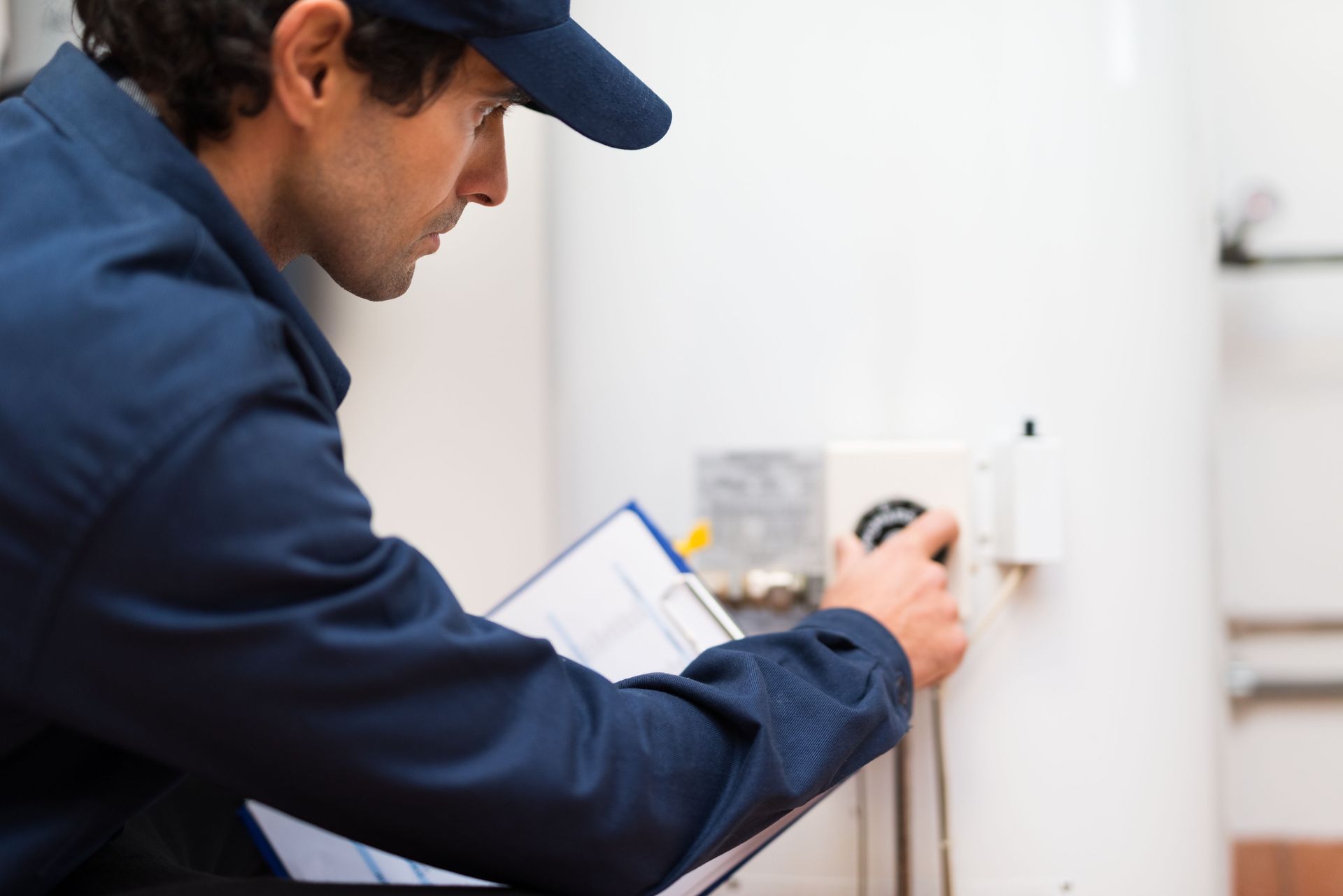
A water heater question becomes more useful when it names the equipment already in the home. Traditional tank and tankless units differ in how they deliver hot water and in the service they may require. Ask whether the person works on your type of unit and how they would decide between maintenance, repair, and replacement. A description of the symptoms, such as inconsistent hot water or an unfamiliar sound, gives the conversation a more concrete starting point.
A recommendation should account for the unit's condition and the household's needs. Ask what the evaluation reveals about the heater and whether a repair would address the problem. If it can remain in use, ask what maintenance would be appropriate after the repair. If replacement is discussed, find out what would change about the installation and how the proposed system fits the home's hot water use. That keeps the conversation focused on function rather than product names.
5. Is This a Fixture Clog or a Larger Drain Problem?
A slow sink and a recurring backup can feel similar at first, but the underlying work may differ. Ask how the issue will be located and whether other fixtures will be checked for signs of a shared blockage. If more than one drain is affected, it is reasonable to ask whether the sewer line needs attention. The response should explain why drain cleaning, sewer line cleaning, or a repair is being considered for the particular symptoms.
Recurring problems deserve more than a promise to restore flow for the moment. If a backup has returned after prior cleaning, describe when and where it happened so the pattern can inform the evaluation. Ask what the technician finds after cleaning and what suggests a damaged line rather than another clog. Because repairing a damaged sewer line differs from clearing an obstruction, a plumber who explains the distinction gives you a sounder basis for deciding what happens next.
6. What Precautions Apply if the Work Involves a Gas Line?
Gas line work raises questions that are different from a routine drain call. If the project involves installing, inspecting, or repairing a gas line, ask whether the company handles that specific work and who will perform it. The discussion should cover how the condition of the line and its connections will be assessed before a recommendation is made. A clear explanation is particularly valuable when a gas-powered appliance depends on the line involved.
If you suspect a gas leak, move away from the area and contact the utility or emergency service rather than waiting for a routine appointment. For planned work, ask how the line will be checked afterward and what you will learn about the result. You should understand what the professional will evaluate and how the system will be returned to use. A specific answer is more useful than a general assurance.
7. What Should I Expect Before and After the Visit?
Scheduling matters when a pipe has burst or a household is without hot water. Ask when an appointment may be available, whether the first visit is for evaluation or repair, and how changes in scope will be communicated. For urgent work, ask what can reasonably happen on the first visit. Same-day availability can vary, so a realistic answer is more helpful than an unqualified promise. Knowing the sequence helps you plan around the disruption.
Before work begins, ask what the proposed service includes and how its completion will be reviewed. A written estimate can make the scope clearer, while a workmanship warranty should be explained in terms of what it covers and for how long. If additional problems appear during the visit, ask how the technician will discuss them before proceeding. A plumber who sets expectations at both ends of the appointment helps make the entire process easier to understand.
Good questions connect a proposed service to the problem that prompted the call. The answers should leave you with a clear understanding of the next steps. At Ed Johnson Plumbing & Heating, we can evaluate your plumbing concern and explain the work we recommend. Contact us to discuss the issue and arrange an in-person estimate.