Nothing disrupts your morning routine quite like stepping into a freezing shower. When your hot water stops flowing, you immediately realize how much you depend on this essential appliance. A failing system brings a wave of stress because you must decide quickly how to restore comfort to your home. You might wonder if a quick fix will solve the problem or if a completely new installation is necessary. Making this choice requires careful consideration of several factors.
Deciding between these two options comes down to evaluating the current state of your equipment and your long-term goals. Sometimes, a simple water heater repair is all you need to get things running smoothly again. Other times, pouring money into a dying system is a waste of your hard-earned cash. By looking closely at the age, condition, and efficiency of your unit, you can make a smart choice. Let's explore the main factors that dictate which path is right for you.
Evaluate the Age of Your Unit
The most critical factor in your decision is the age of your current system. Traditional tank models typically last between eight and twelve years. If your appliance is approaching or has passed this decade mark, its components are naturally wearing out. Tankless systems can last longer, often reaching up to twenty years, but they still have a finite lifespan. Knowing exactly when your system was installed is the first step in diagnosing your issue.
If your unit is relatively young, fixing it makes financial sense. A five-year-old system with a broken heating element is a perfect candidate for a standard water heater repair because the core structure remains sound. You simply replace the faulty part and enjoy several more years of reliable service. Throwing away a young appliance due to a minor defect is an unnecessary expense.
Conversely, an older unit is living on borrowed time. Even if you fix one broken component today, another part will likely fail next month. The metal tank itself degrades over the years of constant exposure to heat and moisture. Once an old unit starts acting up, replacing it becomes the most practical option. You avoid the headache of consecutive breakdowns and secure peace of mind for the next decade.
Assess the Frequency of Breakdowns
A single malfunction is manageable, but repeated failures indicate a deeper problem. Pay close attention to how often you call a technician. If you find yourself scheduling maintenance every few months, your appliance is sending a clear message. The costs of frequent service visits add up quickly and can easily surpass the price of a brand-new unit.
Routine maintenance can prevent many of these breakdowns if done correctly. According to The Spruce, you should drain and inspect your water heater at least one time annually. This process removes sediment buildup that forces the system to work harder than necessary. Regular draining keeps the internal mechanisms clean and extends the operational life of the appliance.
However, if you've neglected this maintenance and your system breaks down constantly, you face a difficult choice. You must weigh the cost of ongoing fixes against the one-time investment of a new installation. A good rule of thumb is the fifty percent rule. If the cost of a water heater repair is more than half the price of a new system, replacement is the better path.
You should also consider the inconvenience factor of continuous breakdowns. Taking time off work to wait for technicians and dealing with unpredictable cold showers takes a toll on your daily life. Investing in a new unit eliminates this constant anxiety. A fresh start is often more valuable than endlessly patching up a failing system.
Analyze the Extent of the Damage
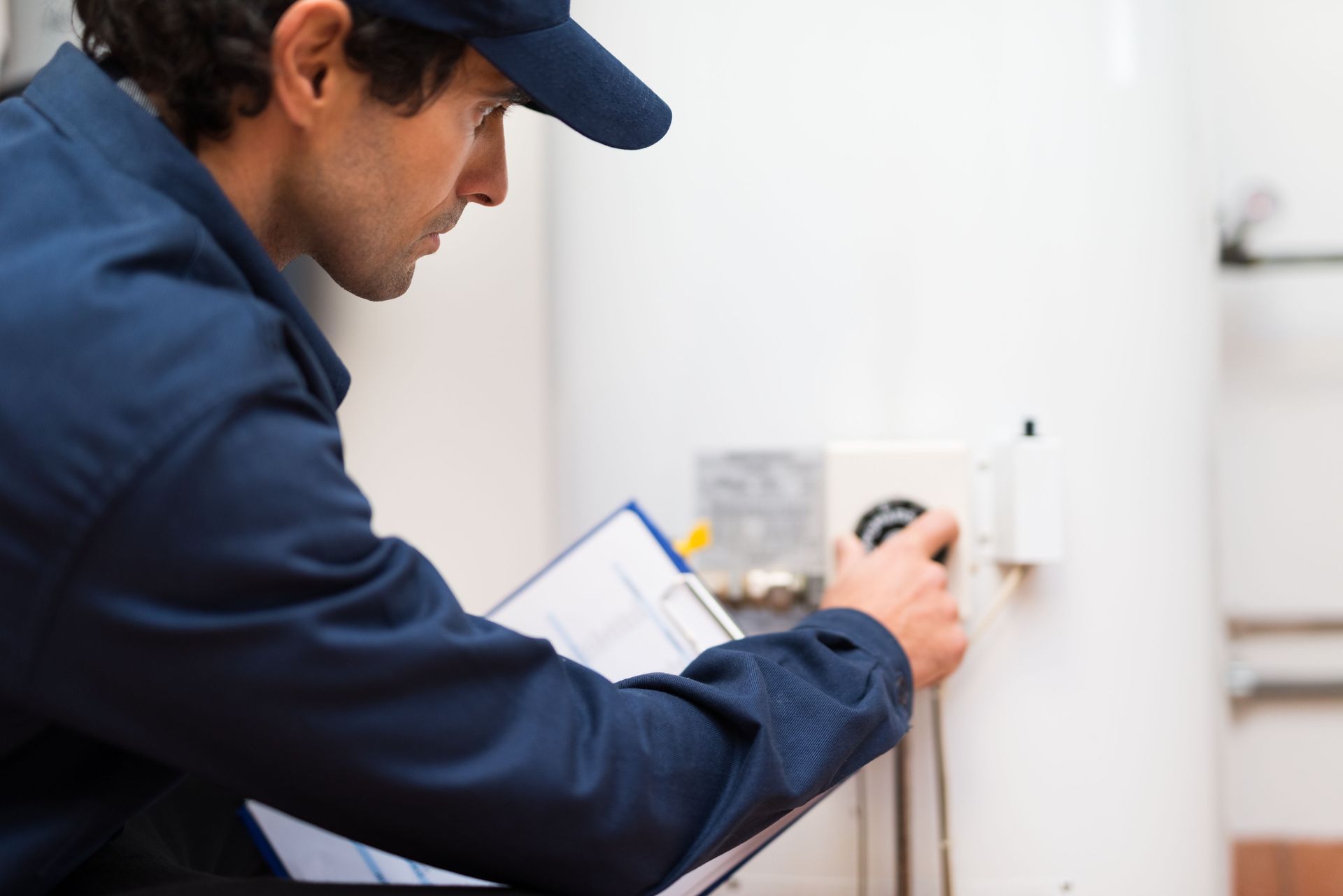
The type of malfunction heavily influences your final decision. Some problems are straightforward to resolve. Issues like a faulty thermostat, a broken pressure relief valve, or a burned-out pilot light are inexpensive to fix. These components are designed to be swapped out without replacing the entire system. Plumbers usually carry these common replacement parts right in their service trucks.
In these scenarios, calling a professional for a targeted water heater repair is recommended. These minor components don't compromise the integrity of the main tank. Once a technician installs the new part, your system will function properly. These isolated incidents don't necessarily mean your appliance is nearing the end of its life. Fixing them promptly prevents further strain on the rest of the machinery.
On the other hand, certain types of damage are fatal to the unit. The most severe issue is a leak coming directly from the tank itself. Over time, sediment buildup causes internal corrosion, eating away at the metal lining. Once a tank fractures and begins to leak water from its base, there's no viable way to patch it. At this point, replacement is your only option to prevent severe water damage to your home.
Consider Energy Efficiency Standards
Technology improves rapidly, and plumbing appliances are no exception. Modern units are more energy-efficient than those manufactured just ten years ago. Older systems lose heat quickly and require more fuel or electricity to maintain temperatures. This constant energy draw significantly inflates your monthly utility bills. Updating your equipment is one of the easiest ways to lower your carbon footprint.
When you evaluate your options, you must factor in these operating costs. A brand-new, efficient model might have a higher upfront cost, but it'll save you a substantial amount of money each month. Over the lifespan of the appliance, these energy savings can offset the initial purchase price. Upgrading to a tankless system or a heat pump model offers even greater efficiency gains. Many utility companies even offer rebates to help offset the cost of these efficient upgrades.
If your old system is inefficient and needs work, choosing a water heater repair might cost you more in the long run. You'd be paying for the fix while continuing to pay high utility bills. Replacing the outdated system stops the financial bleed immediately. It makes practical sense to invest in modern technology that reduces your home energy consumption. You'll feel much better knowing your money is going toward a permanent solution instead of temporary fixes.
Deciding how to handle a broken appliance is never a fun task, but taking a systematic approach simplifies the process. You must look beyond the immediate inconvenience and analyze the age, repair history, damage severity, and efficiency of your current system. If you have a relatively new unit with a minor component failure, reaching out for a quick water heater repair is certainly the best move. It restores your hot water without draining your savings account.
However, if you're battling an ancient, leaking, and inefficient system, replacement is clearly the superior choice. Upgrading to a modern appliance ends the cycle of constant breakdowns and lowers your monthly energy bills. Evaluate your situation carefully, weigh the long-term costs, and choose the option that brings lasting comfort to your home. You'll appreciate the steady stream of hot water, knowing you made a sound financial decision.
If you're not sure whether you need a new installation or a water heater repair, reach out to Ed Johnson Plumbing & Heating. We'll evaluate your system and help you find the most cost-effective solution for your home.